
City & Financial Global
City & Financial Global is one of the UK’s leading research-based providers of conferences and virtual summits. We specialise in the following areas:
- Financial Markets and Regulation
- Climate Change
- Energy and renewables
- Data, Digital and Technology
- Diversity and inclusion
- Infrastructure/public-private partnerships
- Financial Crime and Cyber Security
Featuring speaker panels of exceptional quality, our cutting edge programmes provide real insight into the latest developments in each of these areas, as well unrivalled networking opportunities.

Upcoming Events

Building on the success of City & Financial Global’s Data & AI events portfolio over the years, we are pleased to invite you to our upcoming Agentic AI for Leaders Summit, an unparalleled gathering of business leaders, policy makers, and AI experts scheduled to take place in Central London on 17 September this year.
Chaired by Niresh Rajay, Expert Chief Data & AI Officer in Financial Services, Chair – UK AI for FS, Fellow at Imperial College and Innovation Expert at Oxford University, this event is designed to equip UK businesses with the knowledge and strategies to navigate and build on the transformative power of Agentic AI.

With the UK’s mandatory transition to T+1 settlement confirmed for 11 October 2027, the industry will have almost one year from the date of this event to close its readiness gaps. This high-level summit — convened in partnership with the UK Accelerated Settlement Taskforce Technical Group — brings together the most senior voices from government, regulators, infrastructure providers, and market participants to deliver a frank, practical assessment of where the industry stands and what must happen next.
Feedback
98% of delegates rate C&F
conferences good or excellent
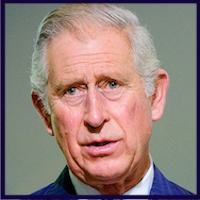
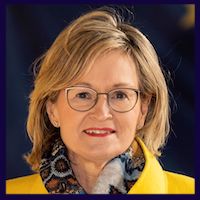
Past & Present Speakers
Featured Testimonials
“We’ve worked with the C&F team on many conferences relating to accountability, the team here are exceptionally good at organising events. A broad and diverse mix of delegates and that’s of most interest because that’s why people come to conferences; to peer to peer network and talk, you have to have enough people of the right calibre in the room, and that’s what City & Financial do differently to other conference organisers”.
 Carl Redfern, Compliance Director, Redland Business Solutions Ltd
“Interesting discussion around Brexit and the implications for the energy sector. I think it’s got a excellent range of speakers from academia, politicians as well as industry speakers, which helps getting that spread”.“Also if you look at the delegate list, it’s great for networking to see the wide range of delegates from across the UK who are in attendance”.
 Lawrence Slade, Chief Executive, Energy UK
“As ever with City week it’s a fantastic gathering of senior people from across the industry talking about the key issues that we need to deal with as practitioners looking at both where the opportunities for the industry are, what the challenges are that we need to meet, but also being able to talk to policy makers, with regulators and with others to share our experiences, our perspectives and our thoughts to look forward to the future”.
 Miles Celic, Chief Executive Officer, TheCityUK
“It’s the largest Brexit conference I’ve seen for at least two years, and I think that it’s a very great mix of people; in terms of seniority and in terms of spread and geographically, because it’s not just people from London, some people are coming from outside (London)”.
 Jonathan Herbst, Partner and Global Head of Financial Services, Norton Rose Fulbright
“I would like to say a massive thanks @cfconferences for pulling together so many experts for the event yesterday. Felt like the Glastonbury of Conduct with headline acts, great content and sell-out crowd. Plenty of content for us to go away and act on our journey to regain trust”.
 Robert Longmuir, Client Governance, Aberdeen Standard Investments
“It’s an honour to attend this year’s Tokenisation Summit. I’d like to congratulate City and Financial Global for bringing us together here today. You’ve produced an exciting agenda and impressive cast list, across both industry and the regulatory communities.”
 Tulip Siddiq, City Minister and Economic Secretary to the Treasury
Sponsors & Partners